Industry Insight
Blended Truth First.
Then Scale, Hold, Cut, Test.

20-40%
typical overstatement when summed platform ROAS is treated as true paid contribution versus blended truth
Mako Metrics · Nuso · Prooflytics · Attrifast (2026 category reads)
Platform-reported value is a useful in-channel signal, and it makes a weak sole scorecard for allocation. Lean teams can run a standing blended-truth allocation brief on a monthly cadence.
Recommendation. Run Paid Media Intelligence monthly and on demand so each allocation brief reconciles platform claims to store revenue of record and hands Scale / Hold / Cut / Test moves with verified numbers for your approval.
Next stepGet started with a free brand read at /brief
01 · THE PATTERN
Platform Claims Meet the Store
Blended truth is the operating center of paid allocation. MER and the over-attribution gap sit above summed platform ROAS when the question is where the next dollar goes.
- Summed ROAS overstates. Category reads place about 20 to 40 percent typical overstatement when summed platform ROAS is treated as true paid contribution.
- Claimed revenue can exceed the store. Under separate attribution windows, the sum of platform-claimed revenue can exceed actual store revenue by about 40 to 120 percent.
- MER is attribution-invariant. Total revenue divided by total marketing spend from the store does not depend on which platform claimed the sale. Blended ROAS is the paid-only close proxy.
- Use each number for its job. MER for weekly budget health, incrementality (including geo holdouts) for causal truth, platform ROAS for in-channel creative compare.
- Break-even is margin math. Break-even ROAS equals 1 divided by gross margin; high-margin categories often land contribution break-even near 1.8x to 2.1x after variable costs.
- Harvesting looks efficient. Retargeting and brand search commonly report strong ROAS while harvesting demand created elsewhere; prospecting carries more of the honest new-customer cost.
The pattern is especially sharp for brands whose demand is earned-media-led. When press, affiliates, and community create purchases, ad platforms still claim credit inside their windows. The owner who reallocates on platform ROAS alone can cut the prospecting that feeds the machine and keep the harvest campaigns that look efficient on paper.

Earned demand still gets claimed by paid windows.
Blended truth asks what the store booked, then labels Scale, Hold, Cut, and Test against that baseline.
02 · THE MOVE
What Paid Media Intelligence Runs
Paid Media Intelligence is the diagnose layer. It drafts a reviewable allocation brief. It leaves budgets and creatives untouched.
- Perception. Reads live ads (Meta today; multi-platform aggregate path in flight) plus store revenue of record through the commerce connector, with optional analytics.
- Blended truth. Computes MER and over-attribution against platform-reported value, then ranks Scale / Hold / Cut / Test moves with basis and confidence labeled.
- Cadence. Monthly dispatcher plus on-demand runs from the workspace or Assistant (confirm-first). Every brief lands in the review queue.
- Owner approval is the architecture. You (or your agency) apply approved moves in the ad accounts. Canopy stays recommend-only.
Media buying and creative production remain operate spend. Day-to-day optimization stays with the team or agency that owns the accounts. The brief gives lean teams a standing allocation read on the diagnose layer.
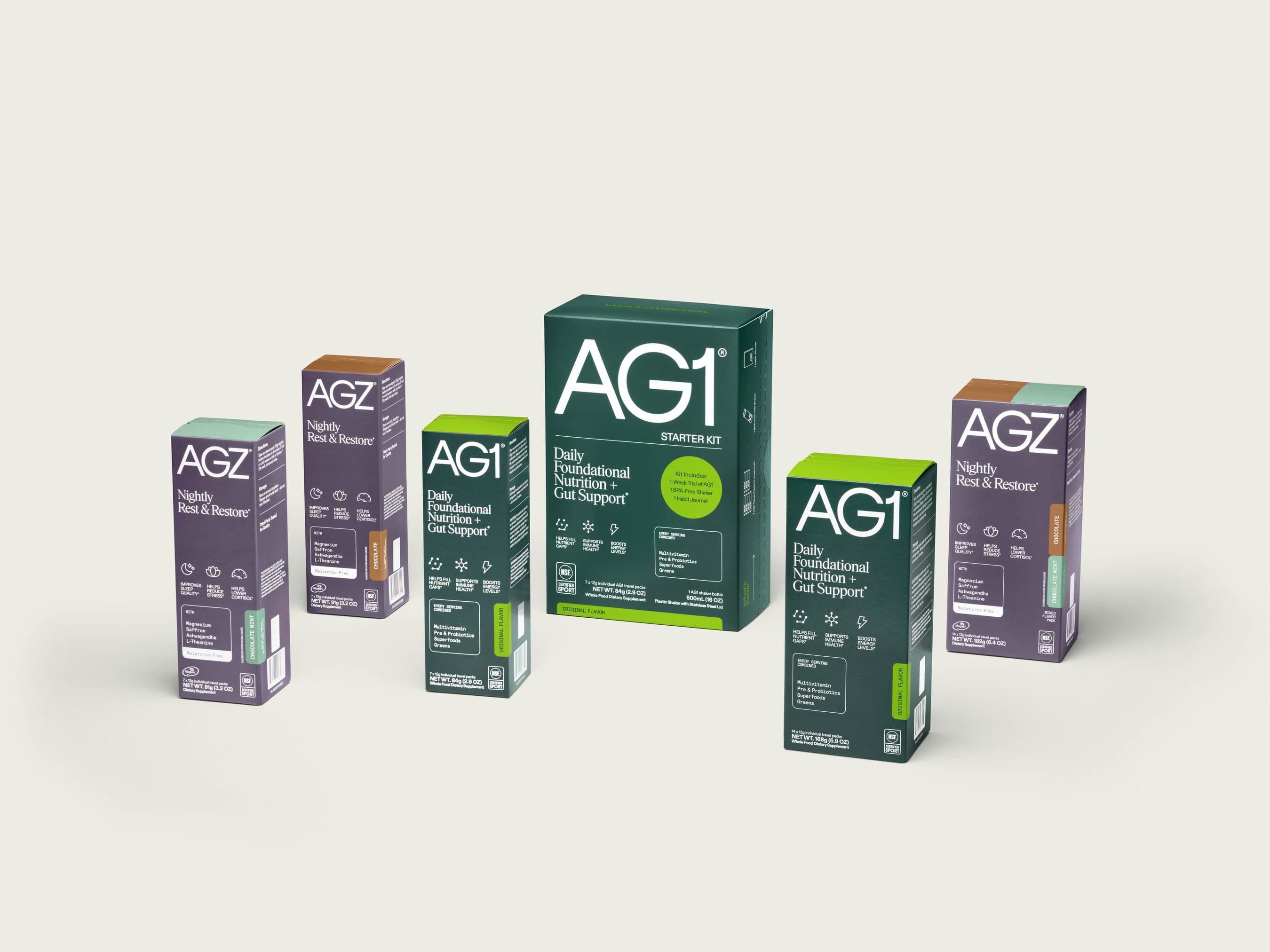
Store revenue of record is the scoreboard.
Platform dashboards stay useful for creative compare. Allocation decisions start from what the store booked.
03 · IMPACT
What Happens to the Business
Blended-truth allocation puts Scale and Cut decisions on the revenue the store actually booked. Canopy reconciles ad spend and platform-attributed value against that store revenue of record and hands Scale / Hold / Cut / Test moves, labeled and ready, for your review.
A professional Meta or Facebook ads audit typically takes days to about two weeks from access to a written prioritized plan, with some consultant audits quoting a 14-day turnaround. Paid Media Intelligence returns that same reconciled read in about 1 to 3 minutes, with a median run near 2.9 minutes.
A paid Meta ads audit typically costs $250 to $1,000 at the mid-tier, and a forensic or consultant review with store and analytics reconciliation often runs $1,500 to $5,000. The same reconciliation on Canopy runs 10 credits, about $7 to $13 of included plan value depending on your plan.
Running the same read monthly and on demand keeps the number current as spend and store revenue shift, and every brief lands in the review queue for your approval before anything changes.
- 10
- credits per allocation brief (~$7 to $13)
- ~2.9 min
- median successful run duration
- $1,500-$5,000
- forensic / consultant Meta ads audit peer
- Monthly
- plus on demand, review by default
Paid Media Intelligence diagnose layer
- INDEX
- 01
- SOURCE
- docs/impact/paid-media.md · stress-tested 2026-08-08
- DATE
- AUG 2026
04 · CONTROL
What Stays With You
The discipline adds an allocation read to the stack you already run. Your ad accounts stay yours. Your agency relationship stays yours when you have one. Your team's time moves up to the calls that need a human.
You approve everything.
Paid Media Intelligence drafts. Nothing changes a budget without your approval.
Canopy never mutates budgets. Creatives stay untouched. The review queue is where every brief waits. Human control is the architecture.
Sources
Every market and impact claim in this report was verified against a primary or approved Canopy source as of August 8, 2026. Publication dates and data vintages are stated where they differ. Client engagement packaging, scheduling links, private spend figures, and internal access tiers from the source workflow report are stripped from this public edition.
Industry pattern
- Mako Metrics, Nuso, Prooflytics, Attrifast (2026 category reads, cited in Heaven Mayhem paid-media Sources): about 20 to 40 percent typical overstatement when summed platform ROAS is treated as true paid contribution.
- Same ledger: about 40 to 120 percent platform-claimed revenue versus store revenue under separate windows. MER as the attribution-invariant baseline.
- Eightx measurement stack framing (same ledger): MER for budget health. Incrementality for causal truth. Platform ROAS for in-channel creative compare.
- Viral.luxury / Foundry CRO / Eightx (margin math): break-even ROAS equals 1 divided by gross margin; high-margin contribution break-even bands near 1.8x to 2.1x.
Impact economics
docs/impact/paid-media.md(stress-tested 2026-08-08; ships with PR #1260): Time / Cost / Cadence HIGH; Outcome framing MEDIUM; 10-credit diagnose weight; about 1 to 3 minute successful run band. Per-move contribution math inside a brief artifact is out of scope for these statements.- Market peers in that file: BTB Audits 2026; The Remarkable Agency Meta ads agency cost 2026; Get Ryze 2026; Jon Loomer Strategic Audit pricing.
Discipline and source workflow
docs/paid-media/00-overview.mdreports/heaven-mayhem-paid-media-intelligence-workflow.mdandreports/_research/heaven-mayhem-paid-media-dossier.md(pattern extract only; private metrics stripped)
Imagery
- See
queue-app/public/insights/paid-media-allocation-truth/MANIFEST.mdfor local filenames, source URLs, dimensions, and rights posture (editorial fair use with attribution).