Industry Insight
The Habit Starts With the Trial.
The Business Runs on the Refill.
60-second read
3.4×
more subscribers saved by intervening 30 to 45 days before churn versus reacting at the cancel page
Recharge State of Subscription Commerce (McKinsey via Recharge), cited in Filter Baby lifecycle Sources
Trial attach and refill retention are one lifecycle. Lean teams can sequence the first full-size or refill conversion, then protect renewals, with a standing agent stack on a standing cadence.
Recommendation. Sequence trial and first-filter buyers into a first full-size or refill relationship, then protect every renewal with involuntary recovery first, proactive pre-refill intervention, skip-not-cancel deflection, and timed winback, all owner-approved.
Next stepGet started with a free brand read at /brief
01 · THE PATTERN
Habit Then Refill
The subscription business starts when the trial empties and compounds when renewals stay paid. One shared subscriber view runs both halves in order.
The 60-second read.
- Early subscribers are the highest-risk window. Ordergroove, Chargebee, and Eightx Churn Index bands place 50 to 70 percent of subscribers lost between order 1 and order 3, with about 44 percent of cancellations in the first 90 days.
- Involuntary churn is recoverable. Roughly 20 to 40 percent of subscription churn is involuntary; a real dunning and card-updater stack recovers about 49 to 70 percent of those failures versus roughly 9 percent with no system (Recurly / dunning literature).
- Proactive beats cancel-page salvage. Intervention 30 to 45 days before a likely churn event saves about 3.4 times more subscribers than reacting at the cancel page (Recharge State of Subscription Commerce via McKinsey).
- Lifetime multiplies. Subscription lifetime value in refill and home categories often runs about 3 to 4.5 times one-time purchase value.
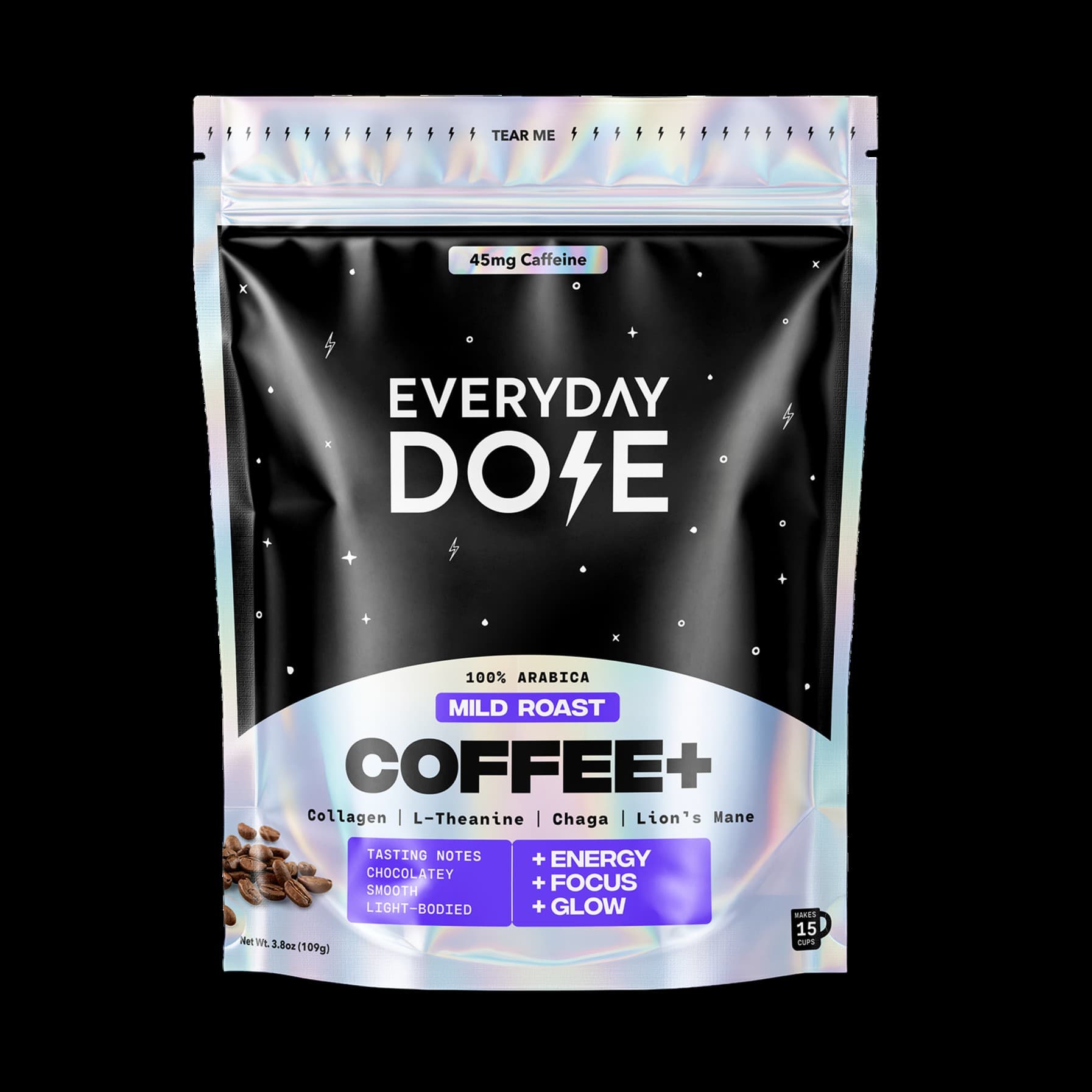
- Public cameos. Everyday Dose runs paid trial and sample kits into Coffee+ full-size on a visible Skio + Klaviyo stack. Filter Baby sells a 90-day refill cartridge alongside hardware, with a retail footprint that hands the brand a wave of first-filter owners ready for a refill relationship.
The attach half has a fixed lever order: educate while the bag or cartridge window is open, capture preferred SKU, convert to matching full-size or first refill when the trial runs low, and offer Subscribe only after that completed order. The retain half has its own order: involuntary recovery first, burn-rate-timed pre-refill reminder, skip or pause before cancel, then winback in the day-thirty-to-ninety window. Pairing a hardware or trial launch with that full retain sequence is what turns first-order acquisition into a compounding refill business.
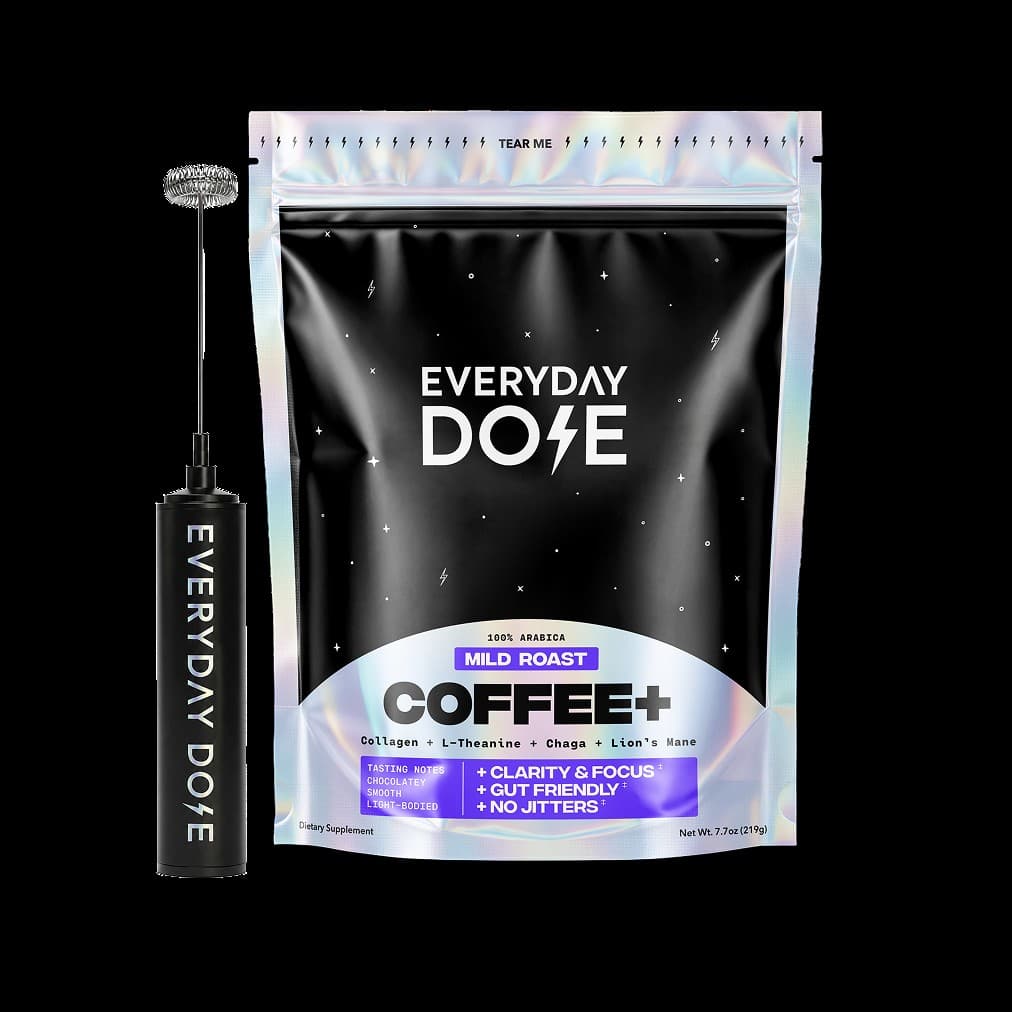
The trial opens the habit.
Full-size conversion when the sample runs low is the attach the subscription compounds from.
02 · THE MOVE
What the Agent Stack Runs
The subscription lifecycle engine is three named Canopy disciplines on one shared subscriber view. Agents draft. You approve. Nothing sends without you.
The 60-second read.
- Email Flow Growth ranks the live ESP program weekly and on demand: trial and refill coverage gaps, underperforming flows, and a rebuild order grounded in evidence the ESP exposes.
- Email Flow Blueprint scaffolds multi-step trial-to-full-size, pre-refill, skip-not-cancel, and winback sequences with copy and design for review.
- Email & Lifecycle drafts on-brand campaign sends against Brand Kit and catalog signals on your send schedule and on demand.
- Owner approval is the architecture. Offer economics, cadence and send policy, voice and claims, and winback offers stay with you.
Diagnose first so the rebuild order is evidence-backed. Scaffold trial attach and refill retention next, because those sequences sit on the windows where subscribers are won or lost. Keep campaign drafts on the same brand voice so the standing calendar does not drift from the flows.

Hardware opens the door.
Pairing it with a refill engine turns that first purchase into a recurring relationship.
03 · IMPACT
What Happens to the Business
Running the diagnose-to-blueprint-to-campaign stack on a standing cadence keeps the trial attach and refill windows worked continuously, and that continuity is what earns the 3.4 times retention lift proactive intervention delivers over cancel-page salvage. The pace the stack runs at is what makes that cadence realistic for a lean team.
A professional email or Klaviyo program audit typically takes 1 to 2 weeks; Email Flow Growth returns a ranked brief in about 5 to 10 minutes. A per-flow build often takes days to a week; Email Flow Blueprint returns a multi-step reviewable blueprint in about 3 to 6 minutes. A campaign studio turnaround often takes 3 to 5 business days; Email & Lifecycle drafts a review-ready campaign in about 1 to 2 minutes.
A paid email or Klaviyo audit typically costs $1,000 to $5,000; the diagnose step on Canopy is 7 credits, about $5 to $9 of included plan value. A professional per-flow build typically costs $500 to $3,000; Blueprint is 12 credits, about $8 to $16. A designed campaign email often costs $100 to $1,500; campaign draft is 2.5 credits, about $2 to $3. Read together, the diagnose-to-scaffold pair is 19 credits (about $13 to $25 of plan value): a ranked program read in minutes, then multi-step blueprints ready for your approval.
Lean teams often buy one audit or one flow project, then wait for the next agency sprint. Email Flow Growth runs weekly and on demand. Blueprint runs on demand whenever you name a flow. Campaigns draft on your send schedule and on demand.
- 7
- credits for Email Flow Growth (~$5 to $9)
- 12
- credits for Email Flow Blueprint (~$8 to $16)
- 2.5
- credits for an Email & Lifecycle campaign draft (~$2 to $3)
- 3.4×
- proactive pre-churn intervention versus cancel-page salvage
Lifecycle stack, Canopy plan-value band
- INDEX
- 01
- SOURCE
- docs/impact/email-flow-growth.md · email-flow-blueprint.md · email-campaign.md
- DATE
- AUG 2026
04 · CONTROL
What Stays With You
The agent stack adds to the team and tools you already run. Your ESP stays your ESP. Your subscription platform stays yours. Your team's time moves up to the calls that need a human.
You approve everything.
Every discipline drafts. Nothing sends without your approval.
Four owner gates stay with you in plain language: offer economics, cadence and send policy, voice and claims, and the winback offer. Email Flow Growth is read-only by design until you act. Blueprints and campaign drafts wait in the review queue. Human control is the architecture.
Sources
Every market and impact claim in this report was verified against a primary or approved Canopy source as of August 8, 2026. Publication dates and data vintages are stated where they differ. Client engagement packaging, Calendly links, private modeled revenue fixtures, and private account baselines from the source workflow reports are stripped from this public edition.
Industry pattern
- Ordergroove, Chargebee, and Eightx Churn Index (cited in Filter Baby lifecycle Sources, June 2026 pass): 50 to 70 percent of subscribers lost between order 1 and order 3; about 44 percent of cancellations in the first 90 days; subscription LTV about 3 to 4.5 times one-time purchase value in refill and home categories.
- Recurly and dunning-recovery literature (same ledger): roughly 20 to 40 percent of churn involuntary; about 49 to 70 percent recovery with a real dunning stack versus roughly 9 percent with no system.
- Recharge State of Subscription Commerce (McKinsey via Recharge): about 3.4 times more subscribers saved by intervening 30 to 45 days before churn versus reacting at the cancel page.
- Everyday Dose public catalog (Shopify / Firecrawl, July 2026): trial and sample kit price bands; Coffee+ full-size; visible Skio, Klaviyo, and Yotpo stack fingerprint.
- Filter Baby on-site and retail context (June 2026 dossier and report): 90-day refill cartridge economics; 500,000-plus homes stated by the brand; January 2026 Target rollout into 1,800-plus stores as a retail acquisition wave for the refill relationship.
Impact economics (source ledger)
docs/impact/email-flow-growth.md(stress-tested 2026-07-17): time, cost, and cadence claims verified against product data; outcome framing carries a lighter evidence basis than the speed and cost claims.docs/impact/email-flow-blueprint.md(stress-tested 2026-07-17): time, cost, and cadence claims verified; forms the diagnose-to-draft stack pair with Email Flow Growth.docs/impact/email-campaign.md(stress-tested 2026-07-17): time, cost, and cadence claims verified for campaign draft.
Source workflow reports (pattern extract only; private metrics stripped)
reports/everyday-dose-trial-to-subscribe-workflow.mdandreports/_research/everyday-dose-dossier.mdreports/filter-baby-subscription-retention-workflow.mdandreports/_research/filter-baby-dossier.md
Imagery
- See
queue-app/public/insights/trial-to-refill-retention/MANIFEST.mdfor local filenames, source URLs, dimensions, and rights posture (editorial fair use with attribution).